
Hurricane Insurance Coverage Gaps You Should Know
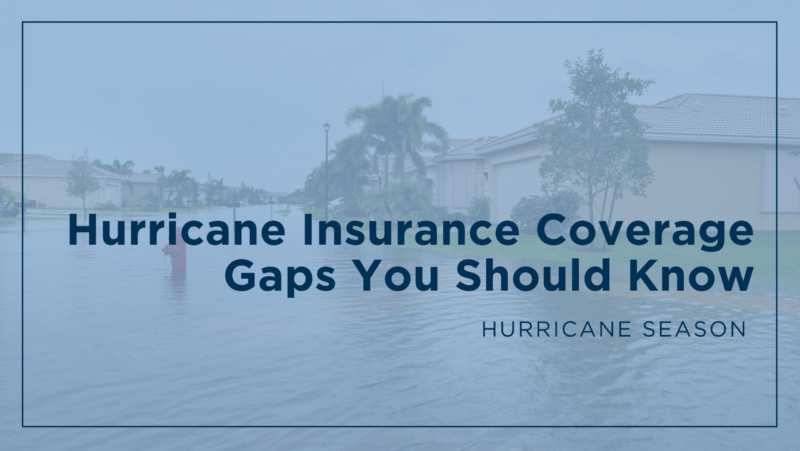
Hurricane season has arrived, and after several record-breaking years, storms are becoming more frequent, more severe, and more expensive for homeowners and businesses alike. One of the most common misconceptions we see is that a standard insurance policy provides full coverage for hurricane-related damage. In reality, that is often not the case.
The reality is that hurricane protection typically involves multiple coverages working together, and understanding those policies before a storm develops can help prevent major financial surprises later.
What Does Hurricane Insurance Actually Cover?
Hurricane insurance is not usually a single policy. Instead, protection often comes from a combination of coverages.
Flood Insurance
Flood insurance covers:
- Storm surge
- Rising water
- Flash flooding
- Heavy rainfall flooding
This coverage is separate from standard homeowners and commercial property insurance policies.
Flooding is one of the most common and costly natural disasters in the United States, and it can happen far beyond coastal flood zones. Many inland homes and businesses discover too late that flood damage is not included in their existing coverage.
Windstorm Coverage
Windstorm insurance helps protect against damage caused by high winds, including:
- Roof damage
- Broken windows
- Fallen trees
- Structural damage
Depending on your state and carrier, wind coverage may be included within your policy or written separately as a wind-only policy.
Homeowners and Commercial Property Insurance
Most homeowners and commercial property policies help cover wind-related damage to structures and belongings. However, flood damage is generally excluded unless separate flood insurance is in place.
Many policies also include a separate hurricane deductible, which can significantly impact out-of-pocket costs after a storm.
The Biggest Hurricane Coverage Gaps We See
At Shepherd Insurance, we often help clients uncover coverage gaps they didn’t realize existed until hurricane season approaches.
Flood Damage Exclusions
One of the most overlooked gaps is flood coverage. Many property owners assume hurricane damage automatically includes flooding, but standard property policies typically exclude flood-related losses entirely.
Loss of Use Coverage
If your home becomes uninhabitable after a storm, loss of use coverage may help pay for:
- Hotel stays
- Temporary housing
- Additional living expenses
However, some flood policies provide little to no coverage for temporary living costs after flood damage.
Business Interruption Coverage
For businesses, temporary closures can be financially devastating.
Business interruption coverage may help cover:
- Lost income
- Payroll expenses
- Ongoing operational costs
- Temporary relocation expenses
Without this coverage, even a short shutdown after a hurricane can create major financial strain.
Outdated Coverage Limits
Construction costs and property values continue to rise. If your policy hasn’t been reviewed recently, your home or business may be underinsured during a major loss.
Understanding Hurricane Deductibles
A hurricane deductible is different from your standard insurance deductible.
In many hurricane-prone states, deductibles are calculated as a percentage of your insured property value instead of a flat dollar amount.
For example:
- A 2% deductible on a $400,000 home equals $8,000 out of pocket
- A 5% deductible equals $20,000
Many property owners are surprised by these numbers after filing a claim.
What Is a Deductible Buyback?
A deductible buyback policy is supplemental coverage that can help offset your hurricane deductible after a covered loss.
For homeowners and businesses in higher-risk areas, this additional protection may help reduce financial exposure without dramatically increasing premiums.
Your Shepherd Insurance advisor can help determine whether deductible buyback coverage makes sense for your situation.
Why You Should Review Coverage Now
One of the most important things to remember about flood insurance is the 30-day waiting period many policies require before coverage becomes active.
That means once a storm is in the forecast, it may already be too late to secure protection.
Reviewing your coverage before hurricane season begins can help you:
- Confirm flood insurance is active
- Understand your hurricane deductible
- Identify coverage gaps
- Update outdated policy limits
- Protect your home or business more confidently
At Shepherd Insurance, our team helps homeowners, business owners, and property managers prepare for hurricane season with customized insurance strategies built around their specific risks and goals.
Before the next storm develops, connect with a Shepherd advisor to review your hurricane coverage and make sure your protection is ready when it matters most.